As part of the European Social Innovation Campus (ESIC) pilot activities, Tallinn University launched the online training “Social Innovation and its Measurement”, designed for university lecturers, trainers, curriculum developers, PhD students, and researchers who want to integrate social innovation content, tools, and methods into their teaching and research practice.
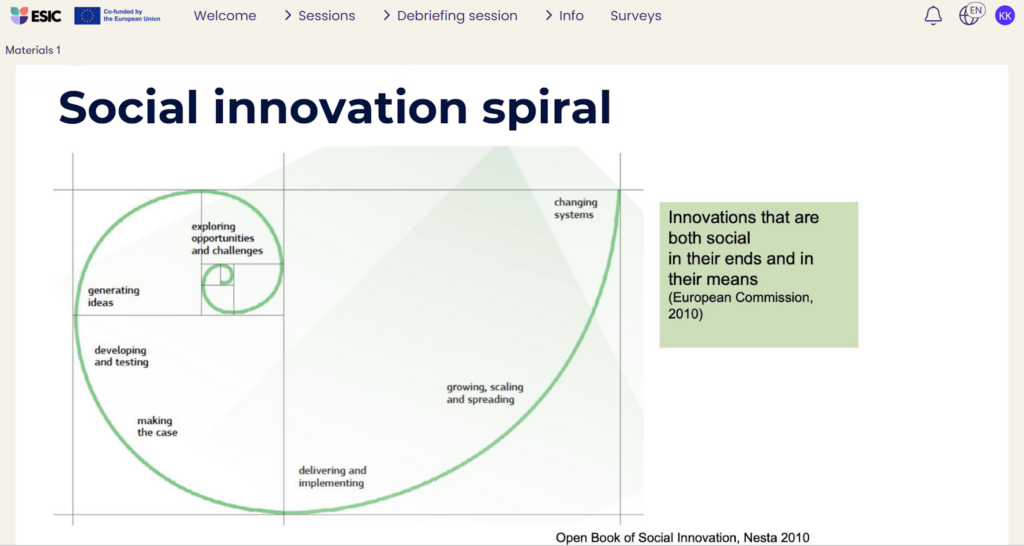
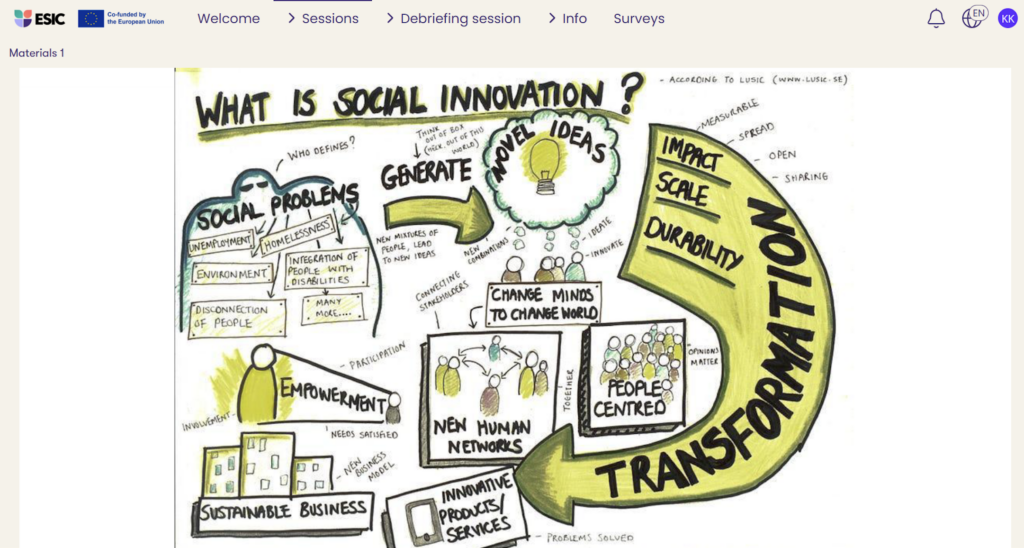
The training supports participants in turning social innovation and its measurement into a teachable, researchable, and assessable learning experience. It introduces key concepts of social innovation, social entrepreneurship, and the social economy, while also focusing on systems thinking, ethical reflection, stakeholder engagement, Theory of Change, impact measurement, and strategies for systemic change.
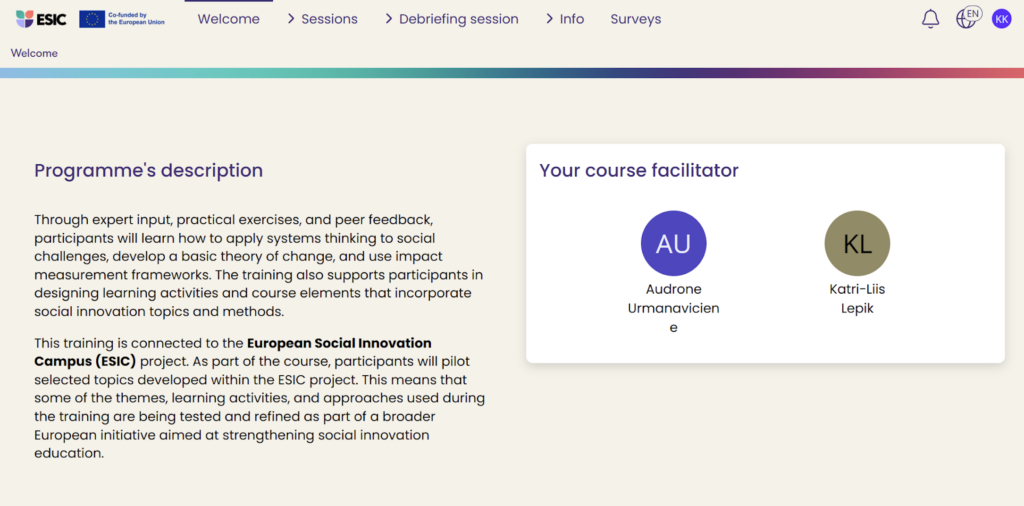
The programme is delivered by TLU prof. Katri-Liis Lepik and dr. Audrone Urmanaviciene. Katri-Liis Lepik leads the global Master’s programme in Social Entrepreneurship and has extensive experience in teaching social innovation through international projects and micro-degree programmes. Audrone Urmanaviciene is a Lecturer in Social Entrepreneurship at Tallinn University, with research expertise in social enterprise, social impact, and social impact assessment.
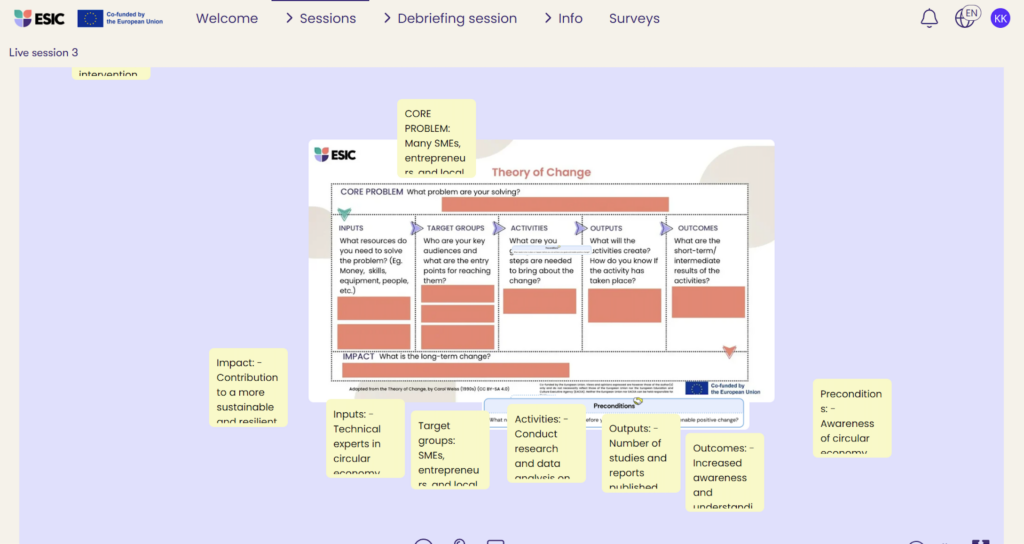
During the training, participants explore how social innovation can be meaningfully integrated into their own courses, research activities and academic projects. Through expert input, challenge-based work, ready-to-use templates, peer feedback, and guided reflection, they learn how to map social challenges, identify key stakeholders, reflect on ethical issues, develop a basic Theory of Change, and design realistic impact indicators.
A key element of the pilot is the final Social Innovation Teaching or Research Implementation Plan. Participants are asked to design a short concept note or presentation showing how they would apply social innovation in one of their own courses, research projects, academic activities, or institutional settings. The plan includes a real social challenge, ethical considerations, a Theory of Change, an impact measurement approach, and a strategy for broader or systemic change.
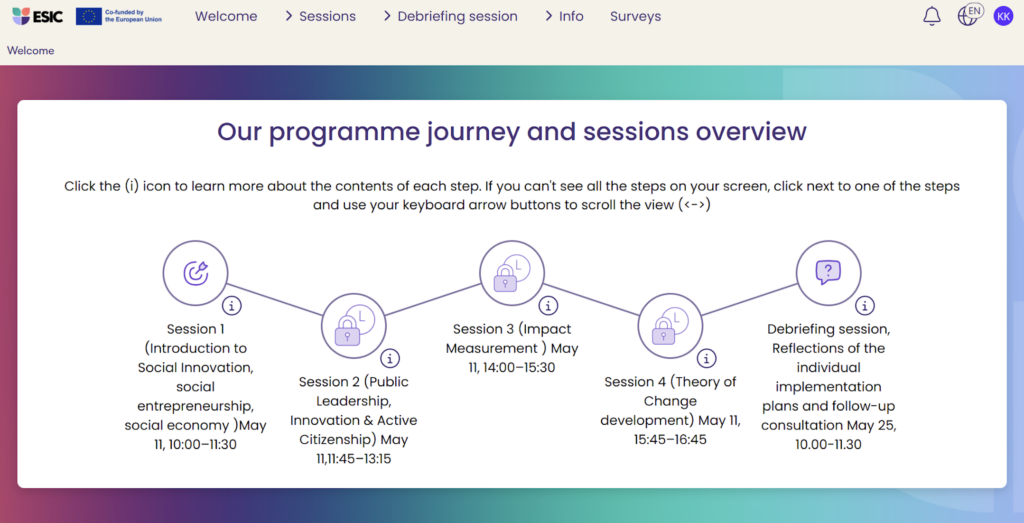
The training takes place online via Howspace platform, with the main training session held on 11th of May 2026 and a follow-up debrief session on 25th of May 2026. During the debrief, participants present their implementation plans and receive feedback from peers and trainers.
By piloting selected ESIC learning activities and methodological approaches, the training contributes to the broader European effort to strengthen social innovation education and research capacity in higher education and professional learning contexts. Insights gathered from the pilot will support the further refinement of ESIC training materials and their future use across institutions, disciplines, and countries.
Course impressions: